
Unlock the Full Potential
This installation was on a 4-story home, and the tech had not yet gone to the basement to troubleshoot the “infinity” water source heat pump, as he was told he by the homeowner. He was in the attic at the infinity furnace above the 4th floor. He was getting his dcv in the proper range on his A and B green plug on the air handler, 3 to 4 vdc. His indoor board ohm reading was in range, 28k to 32 k. The tech ohmed out the A and B thermostat wires on the water source heat pump from the upstairs. His ohm reading was not in range of a normal infinity board. His reading was around 64.4k. The tech then made the long walk to the basement where the “geothermal heat pump” was located. Bingo.
Now get out there and organize some zone wiring!
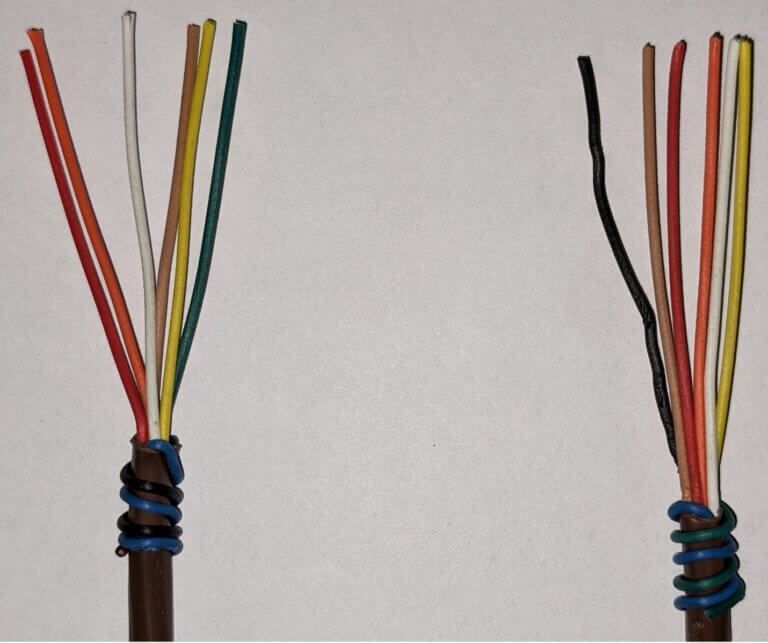
Zone equipment would be identified as indoor unit- blue black/ outdoor unit-blue green:

December 20, 2022
Pressures Not Reading Right?
Have you ever put your gauges on a unit and notice that the pressure reading rises slowly, shows Zero but only on one side, OR while trying to add refrigerant, it just doesn’t seem to be going into the unit?
At this point you know that there is a flow or connection issue with the unit. Here are a few steps you can follow to get accurate pressures from the system to the gauge and get refrigerant to flow faster:
For starters let’s discuss the two MAIN types of valve connections:
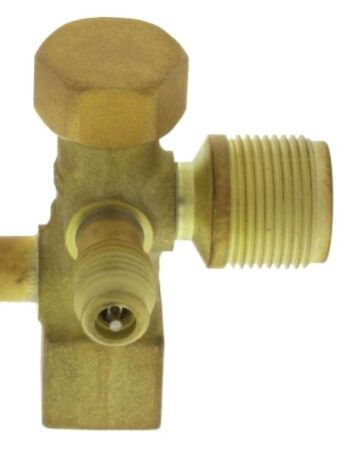
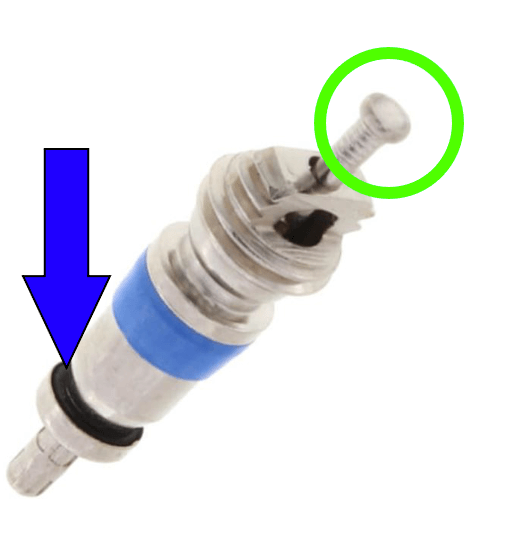
1) The standard shrader which has an internal replaceable valve core:
This is a Carrier residential Liquid Line Service Valve and the core within it.


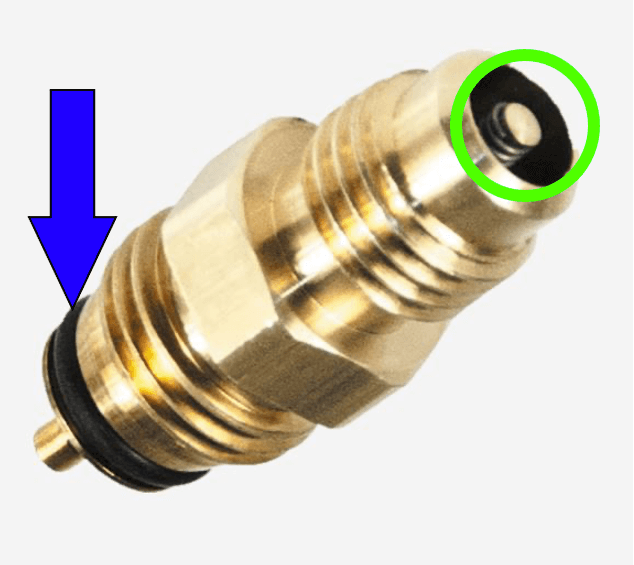
2) The CoreMax which is mostly seen on Packaged Units:
This Valve is an all in one and shouldn’t be disassembled any further

Both of these valves work with the same process. “Something” pushes on the STEM circled in green which then pushes down on and separates and opens the gasket- pointed out in blue. If these stems are not depressed then the gaskets will not be released.
Now that we have covered what has to happen, let’s figure out why it isn’t happening.
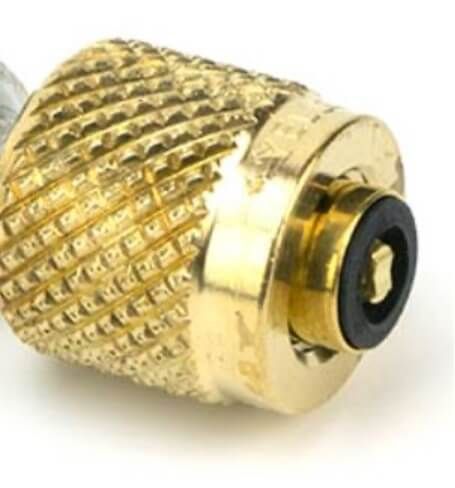
If you look at your hose connector:


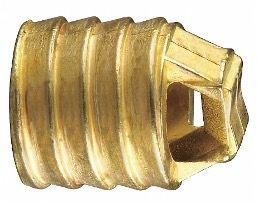
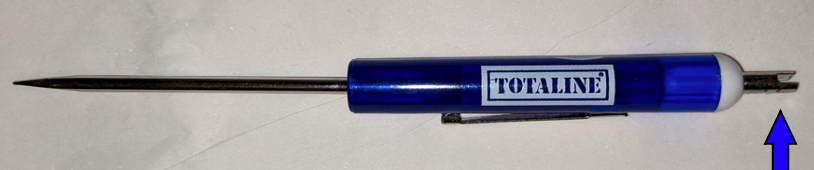
In the center of the gasket within your hose connector there is a device called a “Depressor.” You can use the slotted top of your Tstat screwdriver to raise, lower, or remove this depressor from the hose connector.
As you move throughout your day, moving from unit to unit, take notice that some valves allow the “valve core” or stem in the CoreMax to sit LOWER than normal (resulting in them not being depressed when you gage up to the unit) or HIGHER than normal (This can push the depressor further into your hose connector)
It is a good idea to regularly check on the depressor height in your gauge connector to ensure that the pressures brought to your gauges are right. Looking at them also ensures that you’re looking at the gaskets so you know when they need to be replaced.
Now get out there and keep your depressor height right!
Unlock the Full Potential
This installation was on a 4-story home, and the tech had not yet gone to the basement to troubleshoot the “infinity” water source heat pump, as he was told he by the homeowner. He was in the attic at the infinity furnace above the 4th floor. He was getting his dcv in the proper range on his A and B green plug on the air handler, 3 to 4 vdc. His indoor board ohm reading was in range, 28k to 32 k. The tech ohmed out the A and B thermostat wires on the water source heat pump from the upstairs. His ohm reading was not in range of a normal infinity board. His reading was around 64.4k. The tech then made the long walk to the basement where the “geothermal heat pump” was located. Bingo.
More to Explore
Heat Pump
Keep up with the latest HVAC news from Mingledorff’s Inc.