
Unlock the Full Potential
This installation was on a 4-story home, and the tech had not yet gone to the basement to troubleshoot the “infinity” water source heat pump, as he was told he by the homeowner. He was in the attic at the infinity furnace above the 4th floor. He was getting his dcv in the proper range on his A and B green plug on the air handler, 3 to 4 vdc. His indoor board ohm reading was in range, 28k to 32 k. The tech ohmed out the A and B thermostat wires on the water source heat pump from the upstairs. His ohm reading was not in range of a normal infinity board. His reading was around 64.4k. The tech then made the long walk to the basement where the “geothermal heat pump” was located. Bingo.
Now get out there and organize some zone wiring!
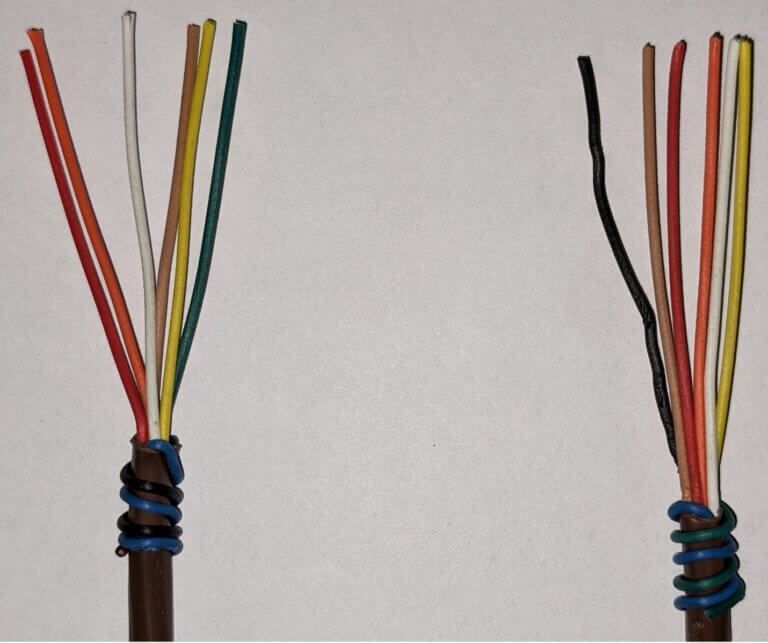
Zone equipment would be identified as indoor unit- blue black/ outdoor unit-blue green:

August 5, 2020
Field-Installed Smoke Detectors
Part No. CRSMKKIT003A00, CRSMKESN003A00
Smoke detectors are used in Gas- Electric, Electric-Electric, and Heat Pump units. The primary intent of the smoke detectors is to shut the unit’s air delivery down when the detector senses smoke. They are not to be used in the place of an open area smoke detector, an early detection system, or replacement for a buildings regular fire detection system. They are not designed to detect toxic gases which can build up during a fire. Also the smoke needs electrical power to operate, which can be interrupted in a fire.
Smoke Detectors

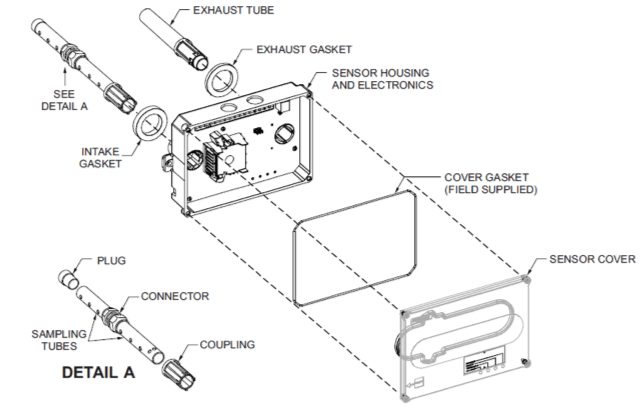
The smoke detector is made with a controller and one or two sensors. The controller is designed to be powered with multiple voltages, 24vac, 120vac, and 220/240. The relay contacts in the controller provide connections for fire alarm systems, HVAC controls and other auxiliary functions. The smoke detector with two sensors does not differentiate which sensor signals an alarm. The sensor uses a process called differential sensing to prevent gradual environmental changes from causing a false alarm. A rapid change conditions, such as smoke from a fire, causes the sensor to trigger an alarm but dust and debris accumulated over time does not.
Air is introduced into the smoke detector’s sensing chamber through a sampling tube that extends into the HVAC duct and the sampled air exists through the exhaust tube back in to the duct system. When a sufficient amount of smoke is detected in the sensing chamber, the sensor signals an alarm state and the controller takes the appropriate action to shut down fan and blowers, send a signal to the fire alarm control panel if connected to it. These smoke detectors have an interconnect feature that allows up to fifteen smoke detectors to be connect to each other, so if one detector senses smoke it will trigger the other detectors to shut down the equipment there connected to.
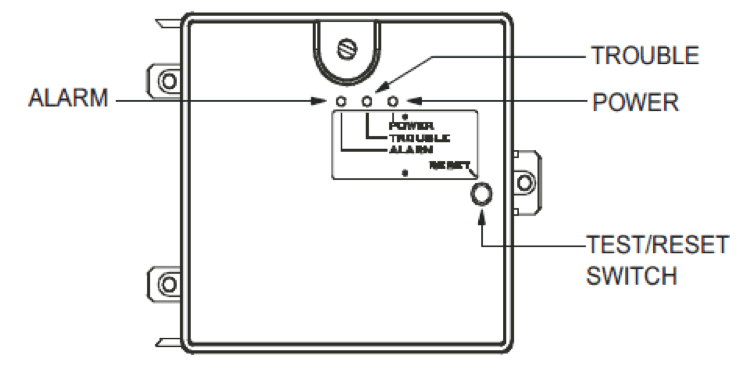
The smoke detectors have LED’s to indicate conditions, such as power to the detector, trouble, a dirty sensor, or an alarm was triggered. These detectors are a great device that help to stop the distribution of smoke and probably toxic fumes in a building during a fire.

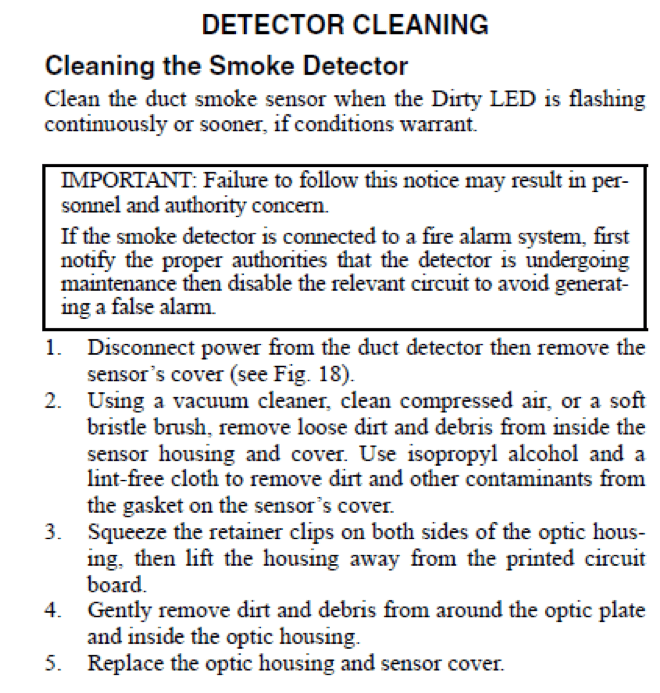
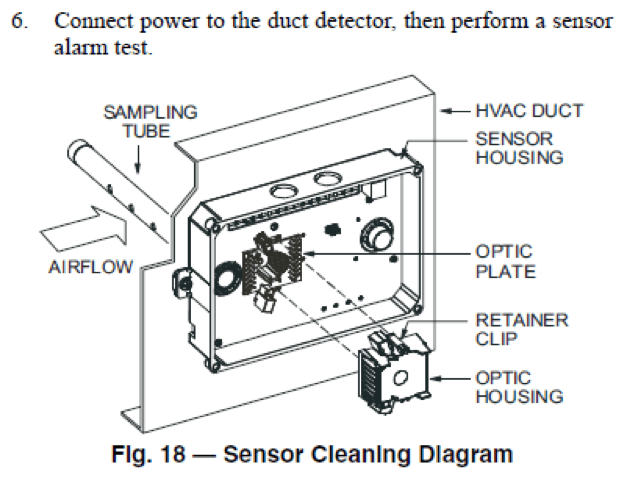
Important reminder that these detectors need to be checked and cleaned periodically even if the Dirty Sensor Led is not flashing.


Unlock the Full Potential
This installation was on a 4-story home, and the tech had not yet gone to the basement to troubleshoot the “infinity” water source heat pump, as he was told he by the homeowner. He was in the attic at the infinity furnace above the 4th floor. He was getting his dcv in the proper range on his A and B green plug on the air handler, 3 to 4 vdc. His indoor board ohm reading was in range, 28k to 32 k. The tech ohmed out the A and B thermostat wires on the water source heat pump from the upstairs. His ohm reading was not in range of a normal infinity board. His reading was around 64.4k. The tech then made the long walk to the basement where the “geothermal heat pump” was located. Bingo.
More to Explore
Heat Pump
Keep up with the latest HVAC news from Mingledorff’s Inc.